- What is immigration detention?
- What is modern slavery?
- How do survivors of modern slavery end up in detention?
- Mariam’s* story
- How can I take action?
Every year, thousands of vulnerable people including survivors of modern slavery and human trafficking are locked up under ‘immigration powers’. In these prison-like immigration detention centres, survivors are isolated from their communities, loved ones and the support they need.
Companies, including SERCO, are making a huge profits from the misery.
Serco continues to run detention centres, including women’s-only Yarl’s Wood, Gatwick, and Derwentside, despite a history of appalling conditions, charges of sexual assault, and an “anti‑migrant culture.” Since 2019, Government contracts with Serco, Clearsprings and Mears have tripled from £4.5bn to £15.3bn. These funds are desperately needed to support communities, not detention centres.
,
What is immigration detention?
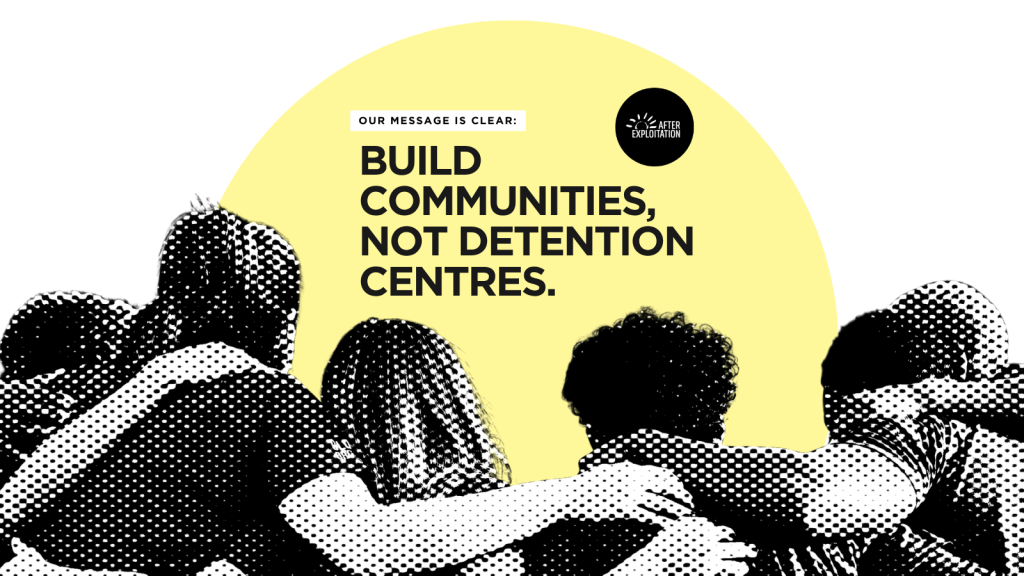
Immigration detention is the practice of locking people in prison-like settings due to their immigration status. Often, people detained are asylum seekers, or people who have migrated and otherwise aim to fully comply with the immigration process, but are held for ‘administrative’ purposes.
The practice of immigration detention is widely contested by human rights groups. Research shows that detention wreaks havoc with peoples’ long-term mental health, their connections to loved ones and community, and their ability to heal after difficult experiences such as fleeing war, persecution or exploitation. The Royal College of Psychiatrists have found that detention has profound negative impacts on peoples’ mental health long after leaving, and calls for the detention of people with mental health conditions to be curbed.
What is modern slavery?
Modern slavery is the exploitation of one person for another person’s benefit, such as status, money or power. Human trafficking is a type of modern slavery, where the victim is transported for exploitation.
Modern slavery can happen in any industry, to people of any age, gender, nationality, ethnicity, or class. Exploiters use a number of tactics to control and profit from victims, including the use of violence, imprisonment, threats, or invented ‘debts’. Sometimes a person’s vulnerability or age is weaponised to exploit them.
Survivors face a higher risk of mental and physical ill-health, poverty, repeat exploitation, and homelessness than the wider population. This is why, under international law, victims of modern slavery should be able to access certain basic protections including safe housing, counselling and compensation. In reality, survivors are often turned away from this support. Some are even punished for factors outside of their control, like their immigration status or crimes they were forced to commit by their trafficker, when they come forward.
How do survivors of modern slavery end up in detention?
When survivors of modern slavery, including human trafficking, come forward they are not automatically offered protection from deportation or detention. Unlike the US and some European countries, the UK does not offer a path to settlement specifically for survivors of trafficking either, leaving thousands of survivors in ‘immigration limbo’. Only 4% of non-UK trafficking victims are granted permission to stay, according to government data. Survivors are trapped in a catch 22: denied immigration status that suits their needs, and then punished for not having the right status. This leads to more survivors being detained and deported.
A report by After Exploitaion and Women for Refugee Women finds that detention gatekeeping – the team responsible for identifying people too vulnerable to detain – often failed to spot survivors of modern slavery and trafficking. To add insult to injury, most survivors detained under immigration powers are later released, raising questions around why they are detained in the first place.
Despite the figures, things are getting worse. The number of survivors of trafficking and slavery locked up in detention has risen by 378% between 2017 and 2023.
Government guidance says immigration detention should only be used ‘sparingly’ but, in reality, safeguards meant to recognise vulnerability often fail, with the Home Office operating on a ‘detain first, ask later’ mentality. The problem is set to worsen, not improve, as the government has announced new legislation planned to expand immigration enforcement.

Mariam’s story
Under sweeping ‘Immigration Powers’, thousands of people, including human trafficking survivors, are locked up in prison-like immigration detention centres often run by private companies.
Mariam, a campaigner with lived experience of modern slavery, explains the human impact of immigration detention:
Immigration detention is a way of criminalising someone for their immigration status, even when they are a victim of modern slavery.When I was detained, I felt like I was being punished for being exploited.
I was found to have psychological trauma from several forms of abuse and exploitation but the centre had ‘limited capacity to support me’. They still kept detaining me.
The experience felt like someone was hurting me, but telling me not to cry.
It was near-impossible to get a lawyer and our correspondence was monitored. I was called in to ‘explain’ a letter sent to my sister.
Immigration detention causes lasting trauma.
I still don’t keep my keys together because the sound of keys reminds me of the doors being locked in detention.
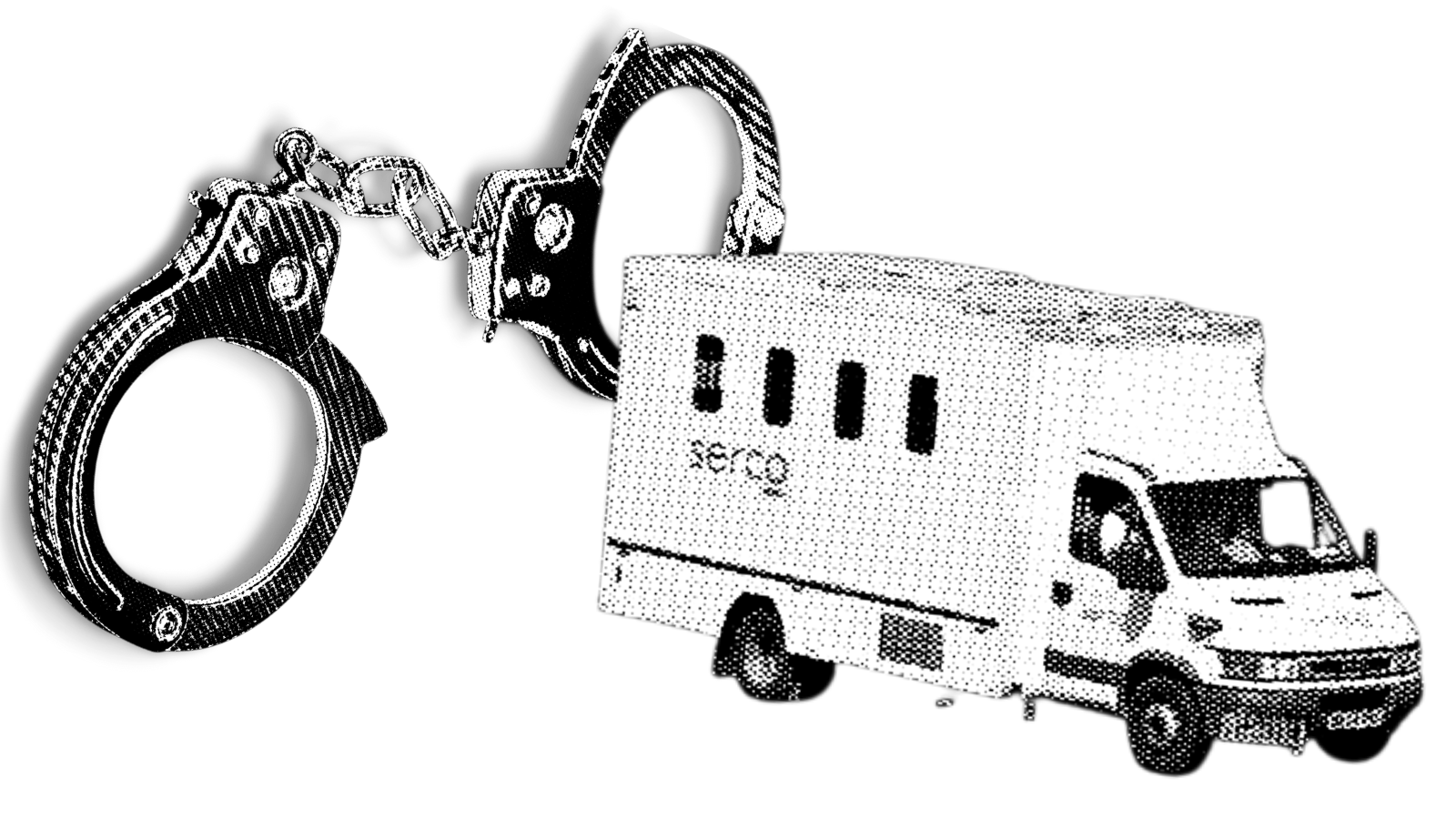
Whenever I see an Immigration enforcement or SERCO van, I remember that I was criminalised for being exploited.
People within immigration detention were also subjected to state-sponsored exploitation. While detainees were not forced to work, many needed the money but were only paid £1 an hour.
If I could say one thing to the people profiting from immigration detention, it would be this: You are benefitting from further traumatising people who need help to heal and reintegrate into society.

How can I take action?
Today, on April 22, SERCO Group, one of the UK’s biggest Border profiteers, will host their Annual General Meeting (AGM) in London. This is a critical moment to draw attention and accountability for the company’s human rights abuses against people seeking safety.
- Sign the petition calling on SERCO to end its involvement in immigration enforcement
- Use the social media toolkit to contact the Home Secretary

![Opportunity: Campaign steering group [paid]](https://afterexploitation.com/wp-content/uploads/2026/02/are-you-a-campaigner-for-survivor-rights-freelance-role-1-e1770458275932.png?w=1024)



 After Exploitation